
 Book Reviews
Book Summary
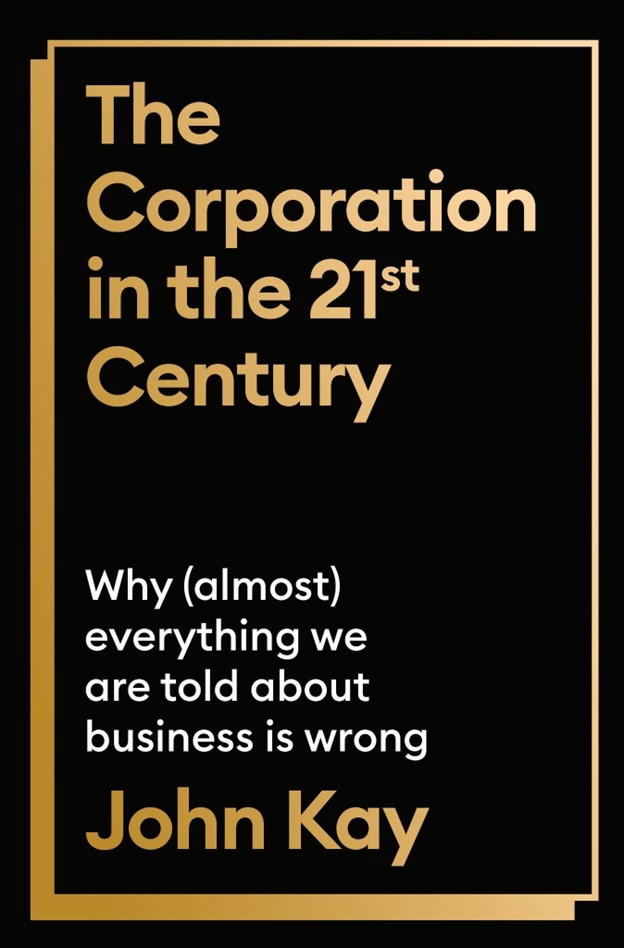
The Corporation in the Twenty-First Century by John Kay
by John Kay
Published Oct 11, 2025
The Corporation in the Twenty-First Century by John Kay
Summary
In The Corporation in the Twenty-First Century, John Kay critiques the traditional focus on shareholder value and calls for a fundamental shift in how corporations operate in the modern world. He presents a compelling case for businesses to prioritize long-term value creation, ethical leadership, and societal well-being. Kay’s insights illuminate how corporations can thrive by aligning their goals with broader social and environmental objectives, fostering innovation, and building resilience in the face of global challenges.
Key Takeaways
-
Beyond Shareholder Value: A Broader Vision
-
Corporations historically prioritized maximizing shareholder profits, often at the expense of other stakeholders.
-
Kay argues that this narrow focus undermines long-term success, as it disregards the needs of employees, customers, and society.
-
He emphasizes that businesses should seek to create sustainable value by balancing profitability with purpose and ethical responsibilities.
-
Ethical Leadership and Corporate Governance
-
Leadership in the 21st century must transcend profit motives and embody principles of integrity, fairness, and accountability.
-
Effective corporate governance ensures transparency and alignment with long-term strategic goals rather than short-term market pressures.
-
Boards must be diverse and independent, with leaders who possess the foresight to navigate complex global issues.
-
The Imperative for Innovation and Agility
-
Technological advancements and shifting market dynamics require corporations to continuously innovate to remain competitive.
-
A culture of innovation involves fostering creativity, encouraging calculated risk-taking, and investing in new technologies and business models.
-
Companies like Amazon and Tesla are cited as examples of organizations that have embraced innovation to disrupt traditional industries.
-
Engagement with Stakeholders: A Collaborative Approach
-
Successful corporations understand the value of engaging with all stakeholders, including employees, customers, communities, and governments.
-
Building trust and fostering collaboration can enhance brand reputation, customer loyalty, and employee satisfaction.
-
Kay highlights how companies like Patagonia and Unilever have adopted stakeholder-centric approaches that align with societal values.
-
Resilience in an Interconnected World
-
The global economy’s interconnectedness means corporations must be prepared for external shocks, from financial crises to pandemics.
-
Organizational resilience is achieved through flexible supply chains, diversified revenue streams, and robust risk management practices.
-
Kay notes the importance of scenario planning and adaptive strategies to weather unforeseen challenges.
-
Sustainability as a Core Business Strategy
-
Environmental, social, and governance (ESG) considerations are no longer peripheral—they are central to corporate success.
-
Companies that integrate sustainability into their operations are better positioned to mitigate risks and capitalize on emerging opportunities.
-
Kay underscores the urgency for corporations to address climate change, inequality, and other global challenges through responsible business practices.
Key Action Items
-
Redefine Corporate Mission and Vision
-
Articulate a clear corporate purpose that emphasizes long-term value creation and societal impact.
-
Align business strategies with ethical principles and global sustainability goals, such as the UN Sustainable Development Goals (SDGs).
-
Strengthen Ethical Leadership and Governance
-
Establish governance frameworks that prioritize ethical behavior, diversity, and accountability.
-
Provide leadership development programs focused on cultivating integrity, empathy, and strategic foresight.
-
Cultivate a Culture of Continuous Innovation
-
Encourage employees to think creatively, take informed risks, and challenge conventional wisdom.
-
Allocate resources to research and development (R&D) and explore partnerships with startups and academic institutions.
-
Develop Robust Stakeholder Engagement Strategies
-
Create mechanisms for regular dialogue with key stakeholders to understand their needs and expectations.
-
Implement feedback loops that incorporate stakeholder insights into decision-making and strategy development.
-
Enhance Organizational Resilience
-
Build adaptive capabilities by diversifying supply chains and revenue sources.
-
Develop comprehensive contingency plans to manage potential crises and disruptions effectively.
-
Integrate ESG into Core Operations
-
Set measurable sustainability targets and report progress transparently.
-
Collaborate with industry peers and NGOs to drive collective action on critical global issues.
Conclusion
John Kay’s The Corporation in the Twenty-First Century offers a transformative perspective on the role of corporations in a rapidly evolving world. By shifting from a narrow focus on shareholder value to a broader purpose-driven approach, businesses can achieve sustainable success. Kay’s blueprint emphasizes ethical leadership, innovation, stakeholder collaboration, resilience, and sustainability as pillars of corporate longevity. For leaders seeking to navigate the complexities of the modern economy, this book serves as both a call to action and a guide for fostering meaningful impact.


